
Role
UX Designer, Design Systems
Team
Jeroel Padilla, Lead UX Designer
Patrick Byrn, SWE Lead
Vijayasimhan Ganesan, SWE
Kendall Slaughter, Design Director
Skills
Design Systems
Interaction Design
Prototyping
Timeline
6 months
Status
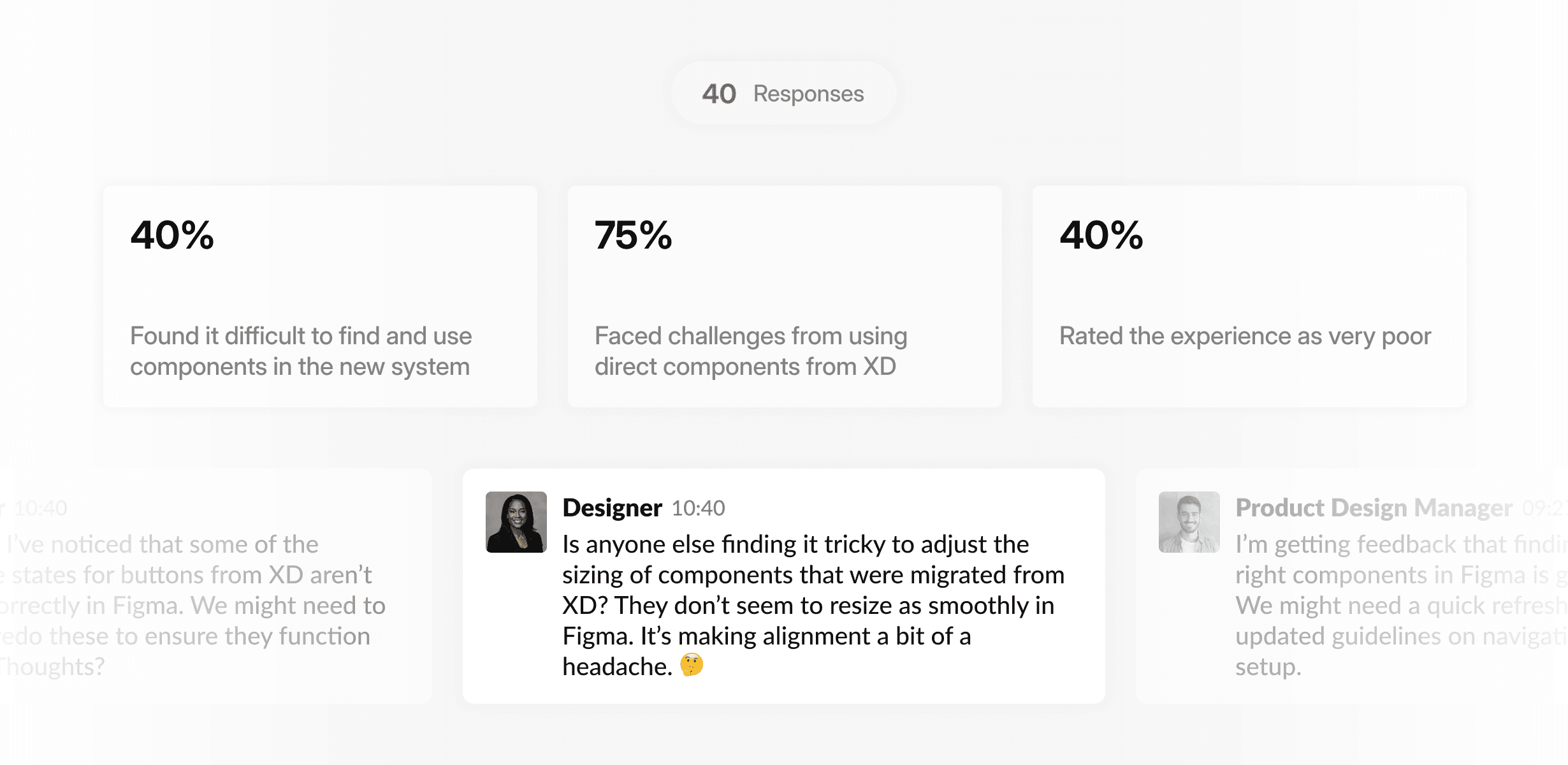
USABILITY OVER AVAILABILITY
MISSING SYSTEM GOVERNANCE
Without ownership and standards, teams relied on manual fixes, increasing inconsistency across products.
BRITTLE AT SCALE
As more teams shipped simultaneously, maintenance overhead and error rates grew non-linearly.
Usability over availability
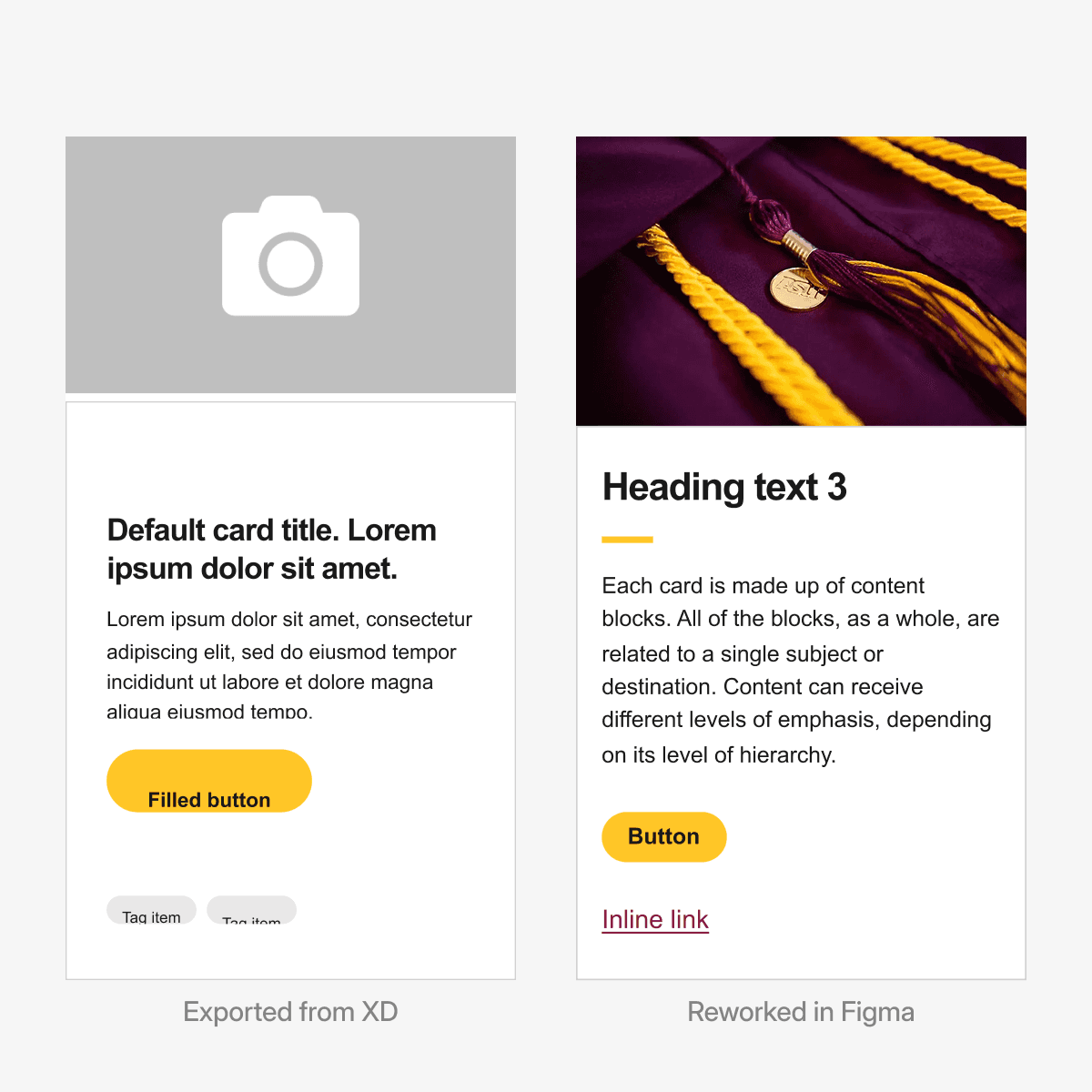
We rebuilt a smaller set of high-impact components that resized reliably, supported clear states, and were easy to reuse.
WHY
Prevented repeating the XD migration failure where components existed but were unusable at scale.
Establish shared system governance
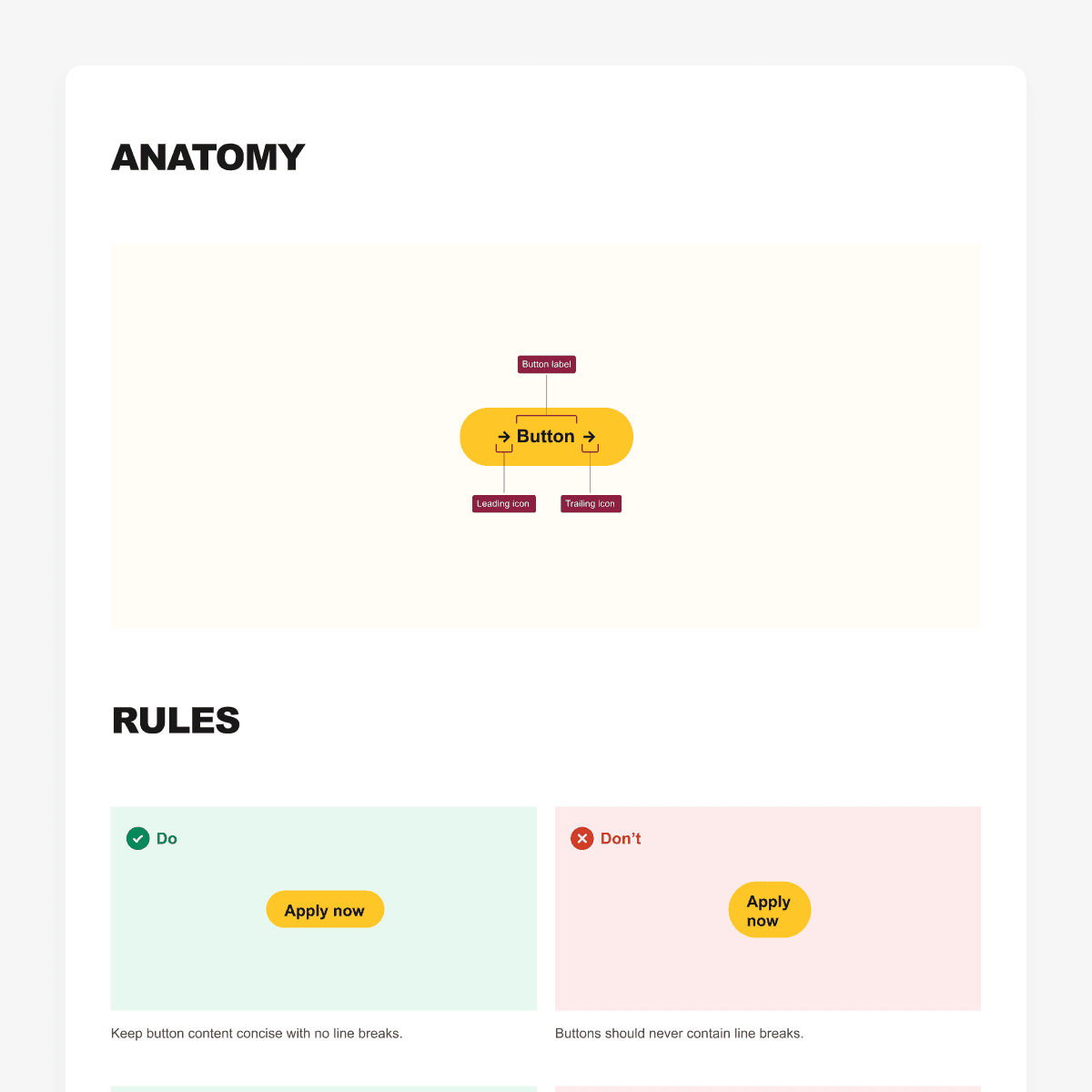
We defined clear ownership, review standards, and update rituals to keep design and the development aligned.
WHY
Reduced design–code drift and eliminated repeated manual fixes across teams.
Design components to scale safely
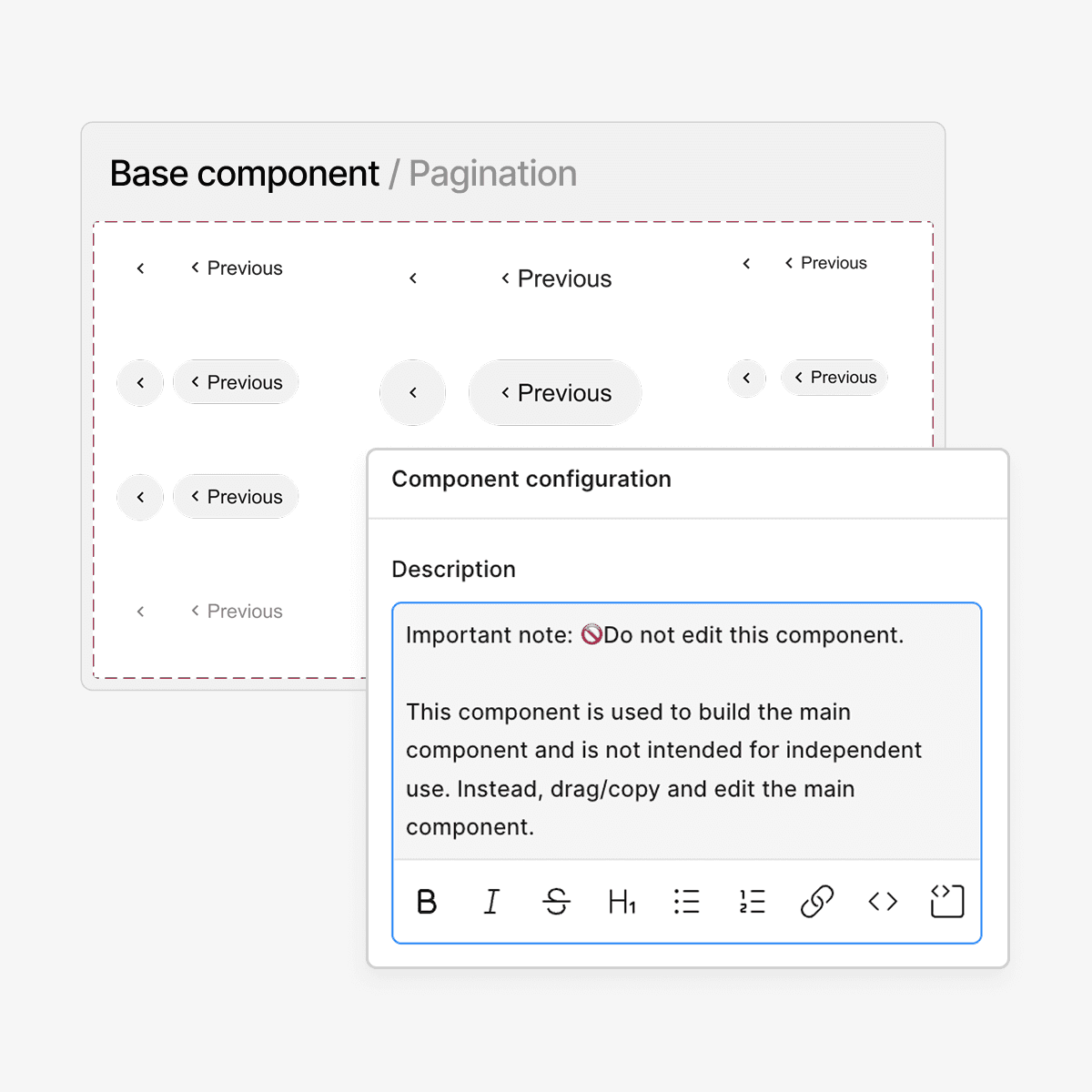
Components were rebuilt as scalable primitives so small changes could propagate without breaking downstream usage.
WHY
Enabled multiple teams to ship in parallel without making the system brittle or error-prone.
Tighten design–development feedback loops
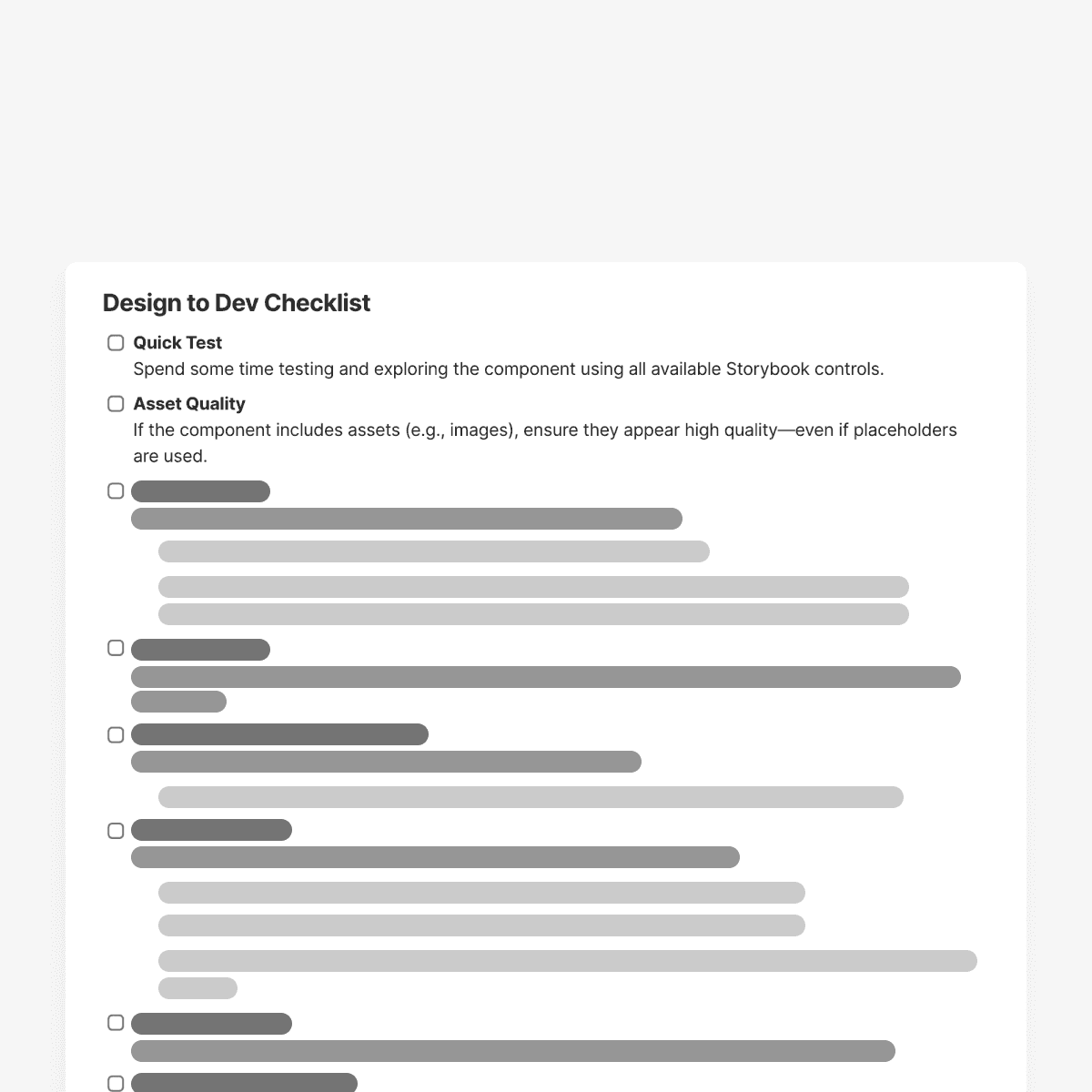
Designers and developers aligned early on component behavior and constraints to reduce rework and late-stage fixes.
WHY
Surfaced technical constraints early, reduced rework, and increased trust in the system.
WHY
Improves component usability while preventing ad-hoc overrides that reduce consistency at scale.
WHY
Ensures visual consistency and allows system-wide updates without manual rework.
WHY
Reduces manual resizing and ensures layouts remain consistent across devices.
WHY
Improves adoption and prevents duplicate or inconsistent component creation.
WHY
Keeps maintenance manageable as the system grows and multiple teams ship in parallel.
Component in Figma
Component in Storybook
WHY
Improved design–development parity, reduced implementation errors, and increased confidence in reusing system components.
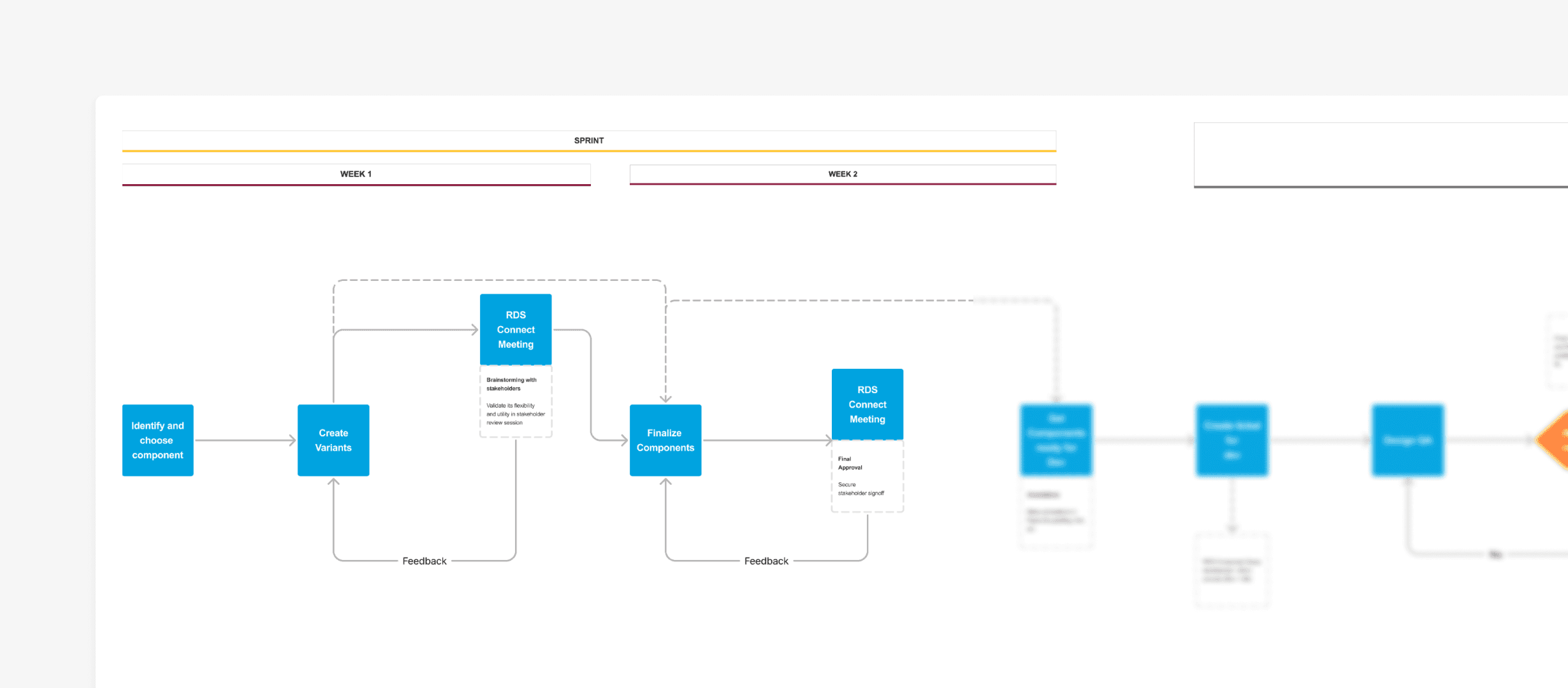
WHY
This ensured new components met system standards and reduced variation as the system grew.
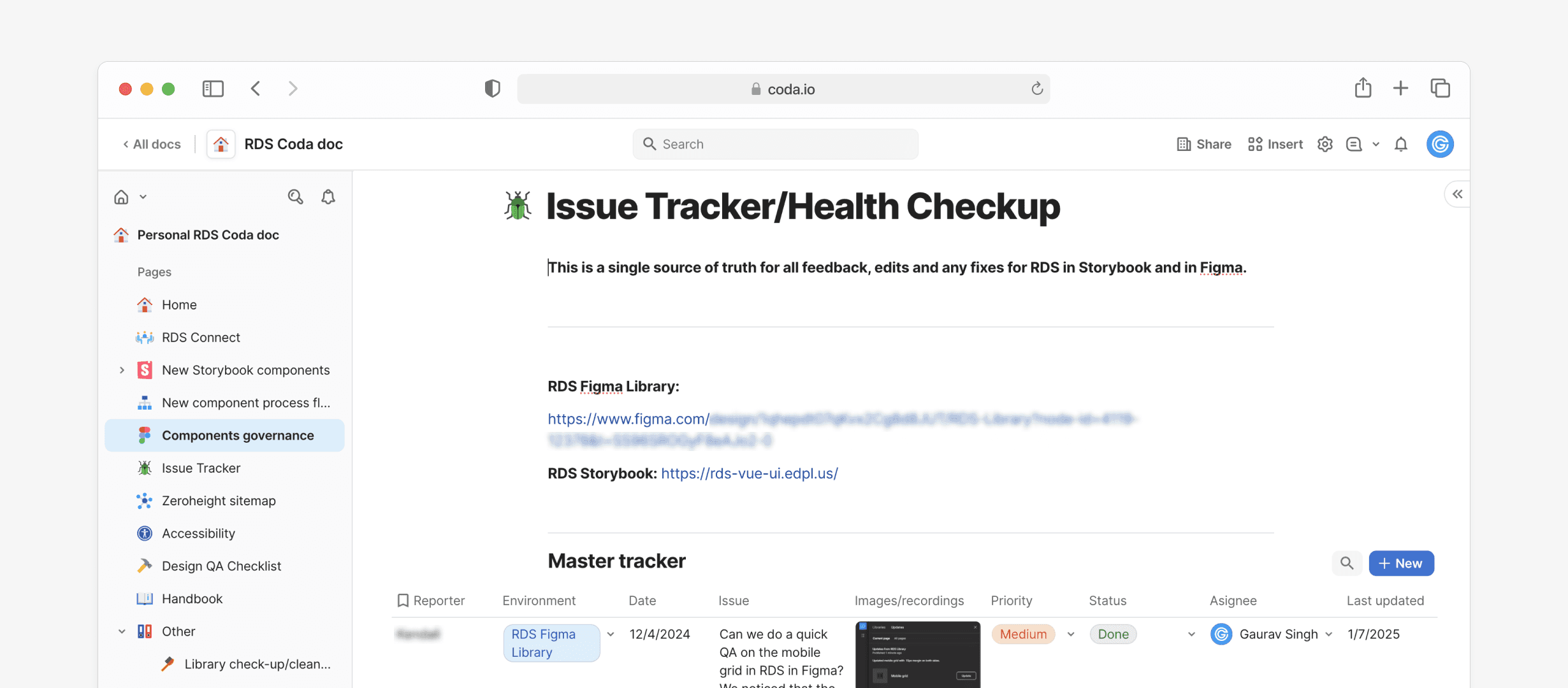
WHY
This kept the system reliable over time and reduced recurring cleanup work for designers and developers.
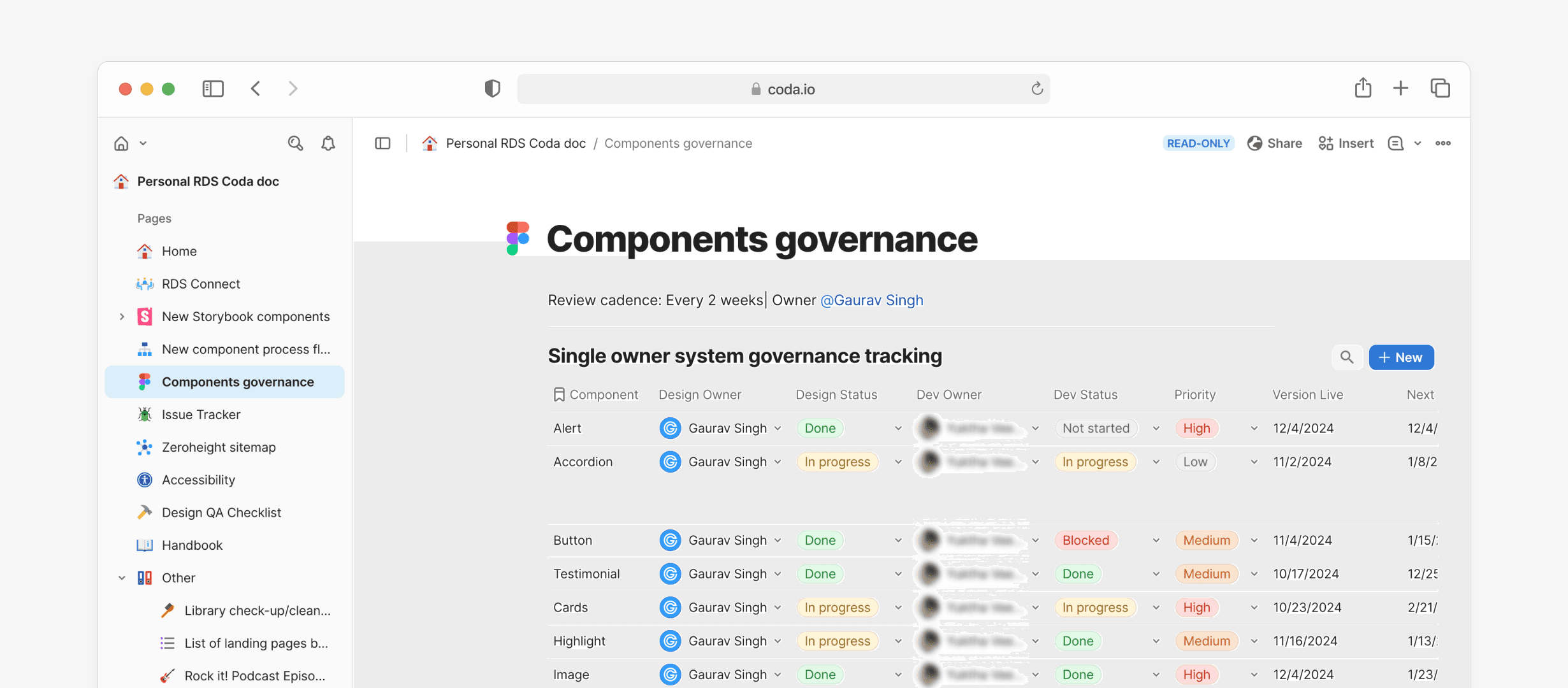
WHY
This surfaced constraints early, reduced rework, and increased trust in the system.
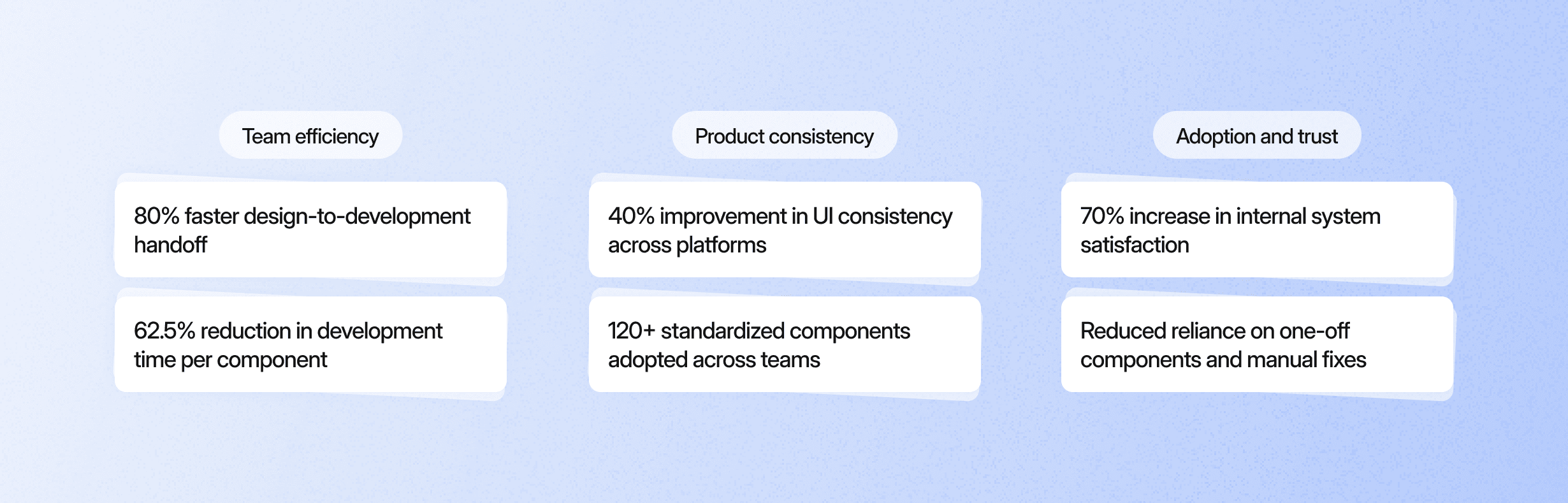
EARLY DECISIONS COMPOUND QUICKLY
Small foundational choices had outsized impact once multiple teams began shipping in parallel.
CLARITY ENABLES SPEED
Teams moved faster when expectations, constraints, and decision ownership were explicit upfront.